

Mix your starter
Add the starter packet to 15 g flour and 15 ml water. Cover and rest.
Cart
Your cart is empty
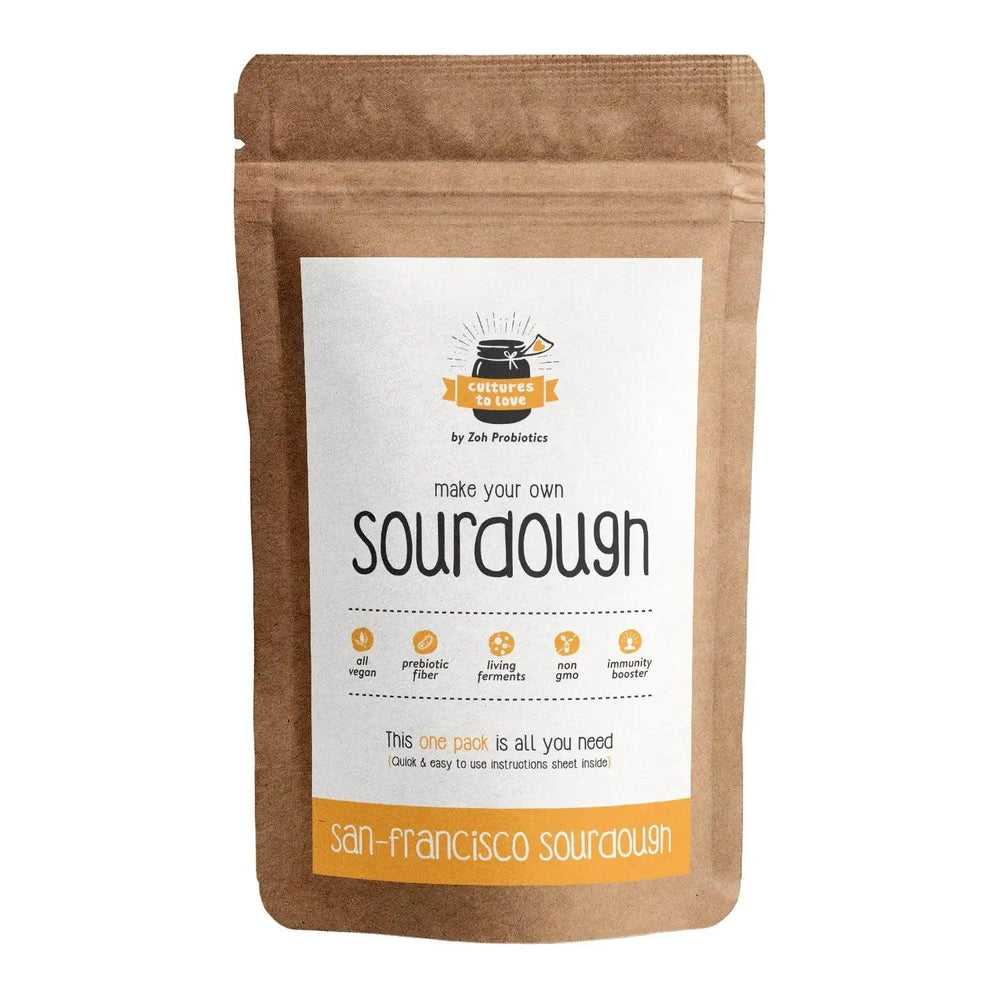
15 g dehydrated culture + guide. Serving images are inspiration.
GOOD BREAD STARTS HERE
Bake golden, crackly loaves with a gentle sourdough tang. Start with this culture, then make everything from weekend bread to pizza nights your own.
★ 1.0/5 · 1 customer reviewsOne 15 g starter pack + preparation guide · Inclusive of taxes
Free shipping on cultures in India
First activation: usually 3–7 days. You add flour, water and a clean jar; we include the guide.
Your first loaf comes with a little help from Zoh. Ask us anytime. ↗Contains wheat and gluten.
Three starters. 15% less. Discover the trio →A little flour, water and care. Your preparation guide takes you through each feed.
Add the starter packet to 15 g flour and 15 ml water. Cover and rest.
Add flour and water in the amounts shown in your guide.
Look for bubbles and dependable activity after feeding.
Use active starter in your recipe. Save a portion and feed it for your next bake.
Allow 3–7 days for first activation, with about 5–10 minutes of hands-on time per feed. Use chlorine-free water and a kitchen scale. Keep the jar around 21–24°C, out of direct sun.
Use unbleached white flour.
Stir flour and water in a clean 1-litre glass jar. Add the entire starter packet and mix well. Cover with a tightly woven cloth or coffee filter secured with a band. Rest for 8–12 hours.
Add to the same jar and stir until smooth. Cover again and leave for another 8–12 hours. Mark the level so you can spot a rise.
At the next feed, add 75 g flour + 75 ml water. After another 8–12 hours, add 150 g flour + 150 ml water. Mix well and cover after each feed.
As the quantity grows, discard half. Weigh what remains, then add the same weight of flour and water. Repeat feeds, watching for dependable bubbles and rise before baking.
Bake once your starter shows dependable activity after feeds. Gluten-free starters may rise less. Use activity, rather than the float test alone, to judge readiness.
Pizza night, everyday sandwiches or a hearty seeded loaf—choose the recipe that sounds good to you.

Try San Francisco for classic wheat doughs, or Whole Wheat for a heartier base.
Start with Whole Wheat, then follow a recipe with your favourite grains and seeds.
Use a wheat starter with a recipe designed for rye or oats blended with wheat flour.
Baking gluten-free? Choose the Gluten-Free Starter and a dedicated rice or millet recipe.
Explore gluten-free baking →THE SOURDOUGH STARTER TRIO
Hearty atta loaves. Classic tangy sourdough. A new world of gluten-free baking. Get all three cultures together and find your favourites.
3 × 15 g starter packs + preparation guides
Includes wheat-based cultures. Maintain each starter in its own jar.
Save ₹231.75 compared with buying individually. Just ₹437.75 per starter.
Free shipping on cultures in India
Flavour you can build on, with a culture you can use again.

Fermentation develops aroma and a gentle tang.
Choose your flours, seeds and toppings.
Fermentation can reduce phytate, which binds minerals in flour.
Save a portion, feed it with flour and water, and use it again.
Pick a loaf. Open the recipe. Find the ingredients and method in one place.
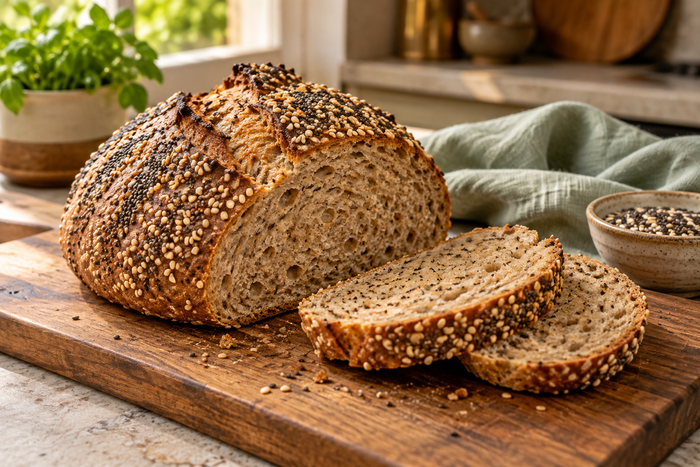
A hearty atta loaf finished with sesame and chia seeds.
View recipe →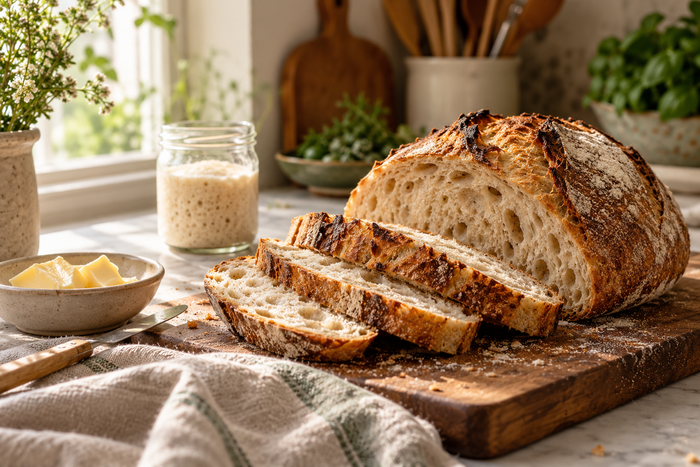
A classic wheat loaf made with active San Francisco sourdough starter.
View recipe →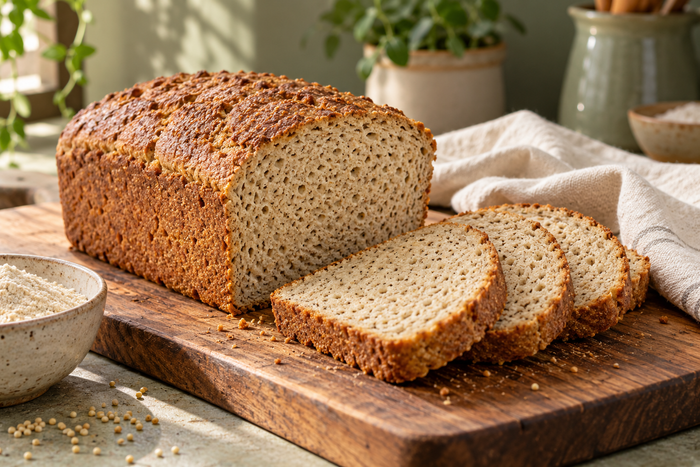
A rice and millet loaf made with active gluten-free sourdough starter.
View recipe →WHAT SOURDOUGH BRINGS TO YOUR BREAD
Both raise dough. Here’s what each brings to your baking.
| What changes | Sourdough starter | Instant yeast |
|---|---|---|
| Flavour | Tang and aroma from fermentation. | Flavour depends on the recipe and fermentation. |
| The culture | A living culture of yeasts and bacteria. | Selected commercial yeast. |
| Future bakes | Save a portion and feed it for future bakes. | Use a fresh portion of yeast for each dough. |

Your first batch comes with a helping hand
Not sure whether your starter is ready? First loaf a little flat? You do not have to work it out alone.
Tell us your flour, water, temperature and timing. We’ll help you work out the next step.
Get help with my starter ↗Free replacement for an identified culture fault, under our policy. How replacements work
Small habits make a happier starter
Heat speeds fermentation and can leave a starter hungry sooner. Choose a shaded, cooler spot, avoid a hot window and watch how quickly it peaks. Use your pack guide as the starting point; ask us before making large feeding changes.
A cooler starter may take longer to become active. Give it a stable, gently warm place. Avoid direct heaters, hot water or an oven that could accidentally be switched on.
Once established, a starter can usually be refrigerated between bakes. Follow the care guide for feeds during storage, then refresh it before baking until activity is reliable again.
Keep sealed in a cool, dry place and follow the best-before date on the current pack. Keep moisture out of the dehydrated culture.
Take a photo before changing everything at once.
Let us help with your batch ↗Check the flour, consistency and time since feeding. A very runny starter lets gas escape; gluten-free starters often hold gas differently. Mark the level, note the room temperature and watch more than one feeding cycle.
A layer of liquid and an alcoholic smell can occur when a mature starter needs feeding. They are not enough to diagnose safety. If the appearance or smell seems unusual, pause and ask for help.
Discard the whole starter if you see mould, pink or orange discolouration, or smell putrid spoilage. Do not scrape off the top, taste it or try to rescue it by baking. Clean equipment before starting again.
The science behind the bubbles
Yeasts help your dough rise. Bacteria produce acids that develop sourdough’s flavour. Flour, temperature and fermentation shape the result.
Research across 500 household starters found diverse microbial communities and no simple geographic signature. A city name alone does not prove which microbes are present in a particular pack. We do not promise a specific strain count or clinical effect.

A little clarity before you begin
It is a dehydrated sourdough culture to activate and maintain with flour and water. It is not a complete bread mix or a direct substitute for instant yeast by weight.
No. Choose one that suits your baking. The trio is for people who want to explore different flours and maintain separate cultures.
One 15 g starter pack and preparation guidance. You supply flour, water, jars and baking equipment.
Yes, with a suitable recipe and a little observation. Allow time for activation and learn your starter’s feeding rhythm before your first loaf.
Allow 3–7 days for activation, as a guide. Flour, temperature and starter activity affect the pace. Wait for dependable activity after feeds before baking.
Some sourdough recipes are designed for a tawa or pan, such as flatbreads and pancakes. A crusty loaf usually needs an oven or a specifically tested alternative method.
Starter strength, flour, water, proofing and shaping all matter. Whole-wheat and gluten-free loaves can have a tighter crumb than white-flour bread. Send the recipe and a crumb photo so we can help narrow it down.
Do not rely on it alone. Hydration, flour and handling change whether starter floats. Repeated rise and bubbles after feeding are more useful clues.
Yes, when it remains healthy and is fed and stored appropriately. Keep a portion back each time. A fixed lifetime or guaranteed number of loaves is not promised.
No. A spoonful of water and a spoonful of flour weigh different amounts. Follow the units in your guide; do not switch between grams and tablespoons as though they are equivalent.
An established starter can generally be kept in the fridge between baking sessions, with feeds as directed. Refresh it before baking until it is reliably active.
No. Flour is a raw ingredient. Cook or bake starter and discard as part of a suitable recipe; do not taste raw starter.
No. Wheat sourdough still contains gluten. A wheat starter does not become gluten-free simply by changing its feeds.
Baking kills the live culture, so baked bread should not be promoted as a source of live probiotics. Fermentation still contributes flavour and changes the dough.
No. It includes Whole Wheat and San Francisco starters as well as the Gluten-Free starter. Store and maintain them separately.
Yes. Gluten-free dough has different water and structure needs, and may need a binder. Do not swap gluten-free flour directly into a wheat recipe and expect the same result.
Starter cultures have free shipping in India. International shipping charges and destination availability are shown at checkout.
The published policy allows 1–2 business days for processing, then typically 3–7 business days after dispatch within India or 5–12 business days internationally. Destination and customs can affect delivery.
Food cultures cannot be returned. Contact us if something seems wrong so we can troubleshoot and assess whether a culture replacement is appropriate.
If we identify a culture fault, the replacement culture is free under our fair-use policy. International replacement shipping and duties are payable by the customer.
From other home kitchens